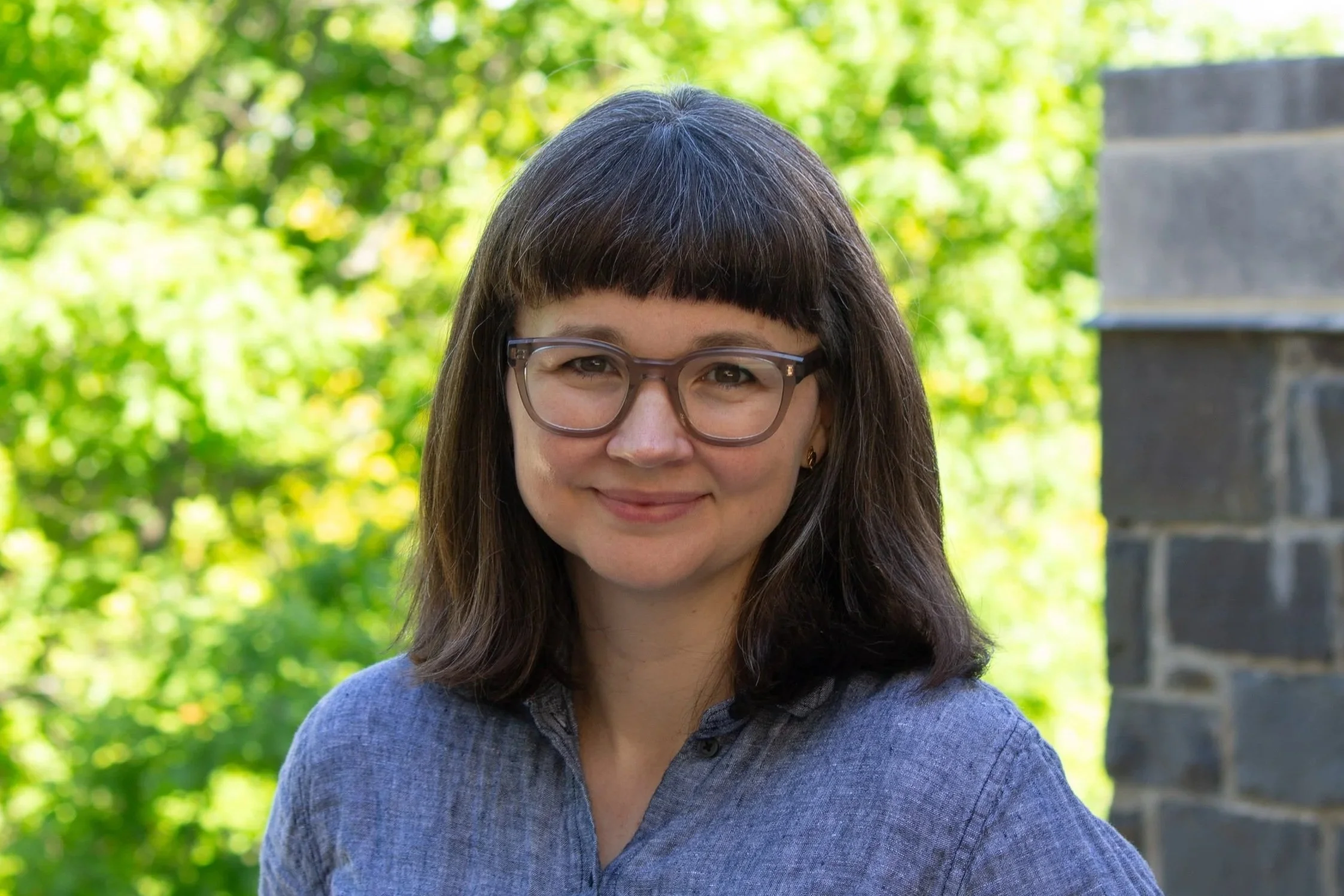
I am an Assistant Professor of Political Science at Colgate University, where I teach courses on US political institutions and quantitative methods. I received my PhD from UC Berkeley in 2024.
My research focuses on the politics of the US executive branch. I use quantitative methods, text analysis and formal theory to investigate questions about bureaucratic control and responsiveness, presidential administration, and separation of powers. My work has been published in Political Science Research and Methods and Presidential Studies Quarterly. You can read more about my published research and work in progress here.
I am currently working on a book project based on my dissertation, which won the E.E. Schattschneider award for the best dissertation in American government from the American Political Science Association, and the George C. Edwards III award for the best dissertation in executive politics from the APSA Presidents and Executive Politics section.
In the book, tentatively titled Confrontation and Collaboration: Presidential Unilateralism and Separation of Powers, I offer a new perspective on the inter-branch dynamics of unilateral power. I argue first that presidential unilateral action is not literally “unilateral,” but rather represents acts of delegation to administrative agencies. Because presidential control of agencies is imperfect, and because oversight of agencies is shared by both the president and Congress, this act of delegation creates an opportunity for Congress to shape policymaking outcomes by exercising its oversight powers.
I offer evidence for this dynamic using an original dataset of member statements about executive orders made during congressional hearings. I investigate the conditions under which members engage in this type of implementation oversight, and reveal how patterns of Congress’s substantive engagement with unilateralism have changed over time. The findings shed new light on the shifting balance of power between the president and Congress. Building on existing accounts of the increase in the use of executive orders, the book reveals an important shift in not only their quantity, but in how Congress engages with and responds to them.